7 Essential Kinds of Frying Pan Every Chef Should Know
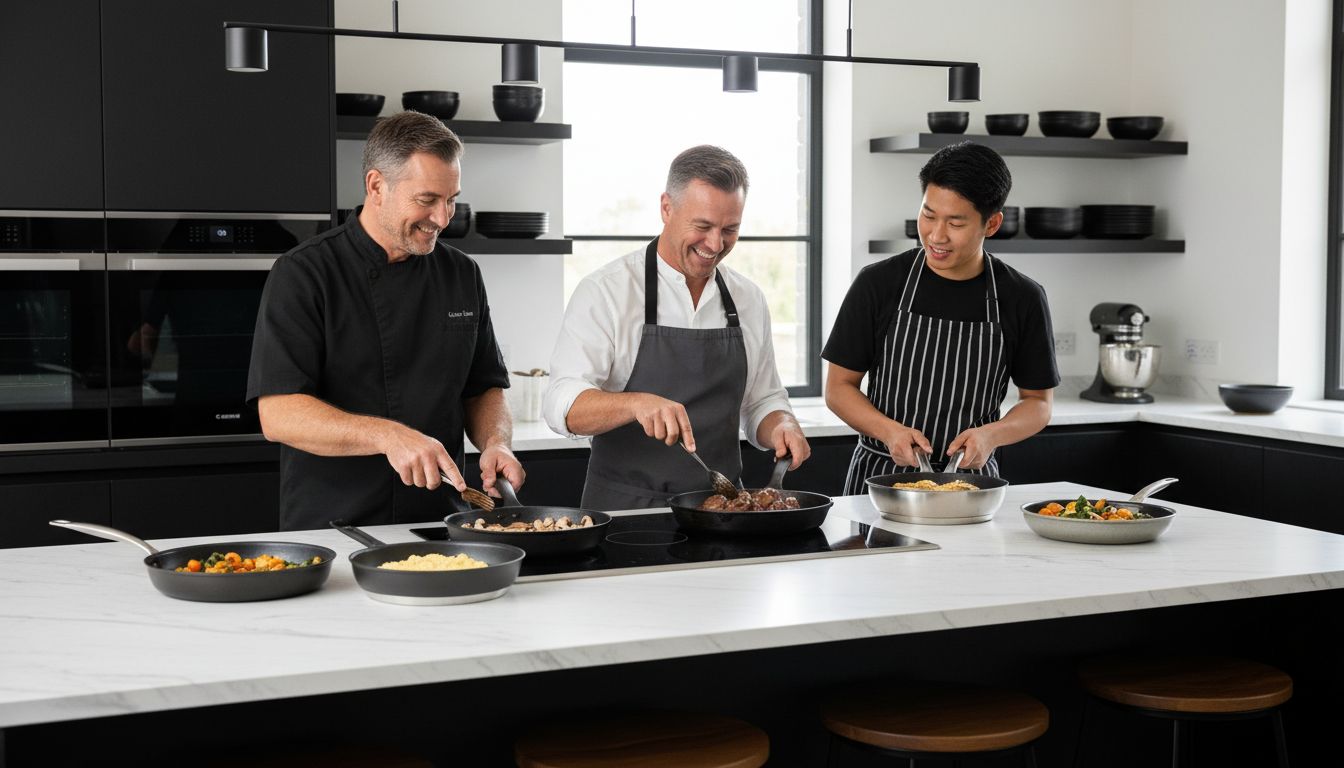
Professionals and home cooks across the british Isles know that choosing the right pan can make or break a meal. In fact, over 80 percent of cooks say the right cookware changes their entire kitchen experience. From sautéing to searing, each material brings a unique benefit, whether you value fast heating, easy cleaning, or years of reliability. If you are curious about what sets one pan apart from another, this guide breaks down the performance of each type so you can find the best match for your culinary style.
Table of Contents
- 1. Carbon Steel Pan – Versatile Performance for Serious Cooks
- 2. Cast Iron Pan – Classic Durability and Superb Heat Retention
- 3. Stainless Steel Pan – Ideal for Searing and Deglazing
- 4. Nonstick Pan – Easy Release for Delicate Foods
- 5. Copper Pan – Fast Heating and Precise Temperature Control
- 6. Aluminium Pan – Lightweight and Quick-Heating Option
- 7. Ceramic Pan – A Healthier Choice with Natural Nonstick
Quick Summary
| Key Message | Explanation |
|---|---|
| 1. Choose Carbon Steel for Versatility | Carbon steel pans excel in heat control and develop a natural nonstick patina, enhancing flavour over time. |
| 2. Opt for Cast Iron for Durability | Cast iron pans maintain heat exceptionally well, making them ideal for searing and baking, and last generations with proper care. |
| 3. Use Stainless Steel for Precise Techniques | Stainless steel pans are perfect for searing and deglazing, allowing complex flavours to develop through proper browning techniques. |
| 4. Select Nonstick for Easy Release | Nonstick pans are excellent for delicate foods, offering quick clean-up and requiring minimal oil for cooking. |
| 5. Consider Copper for Temperature Control | Copper pans provide rapid heat adjustments, ideal for techniques needing precise temperature management, like sauces and reductions. |
1. Carbon Steel Pan – Versatile Performance for Serious Cooks
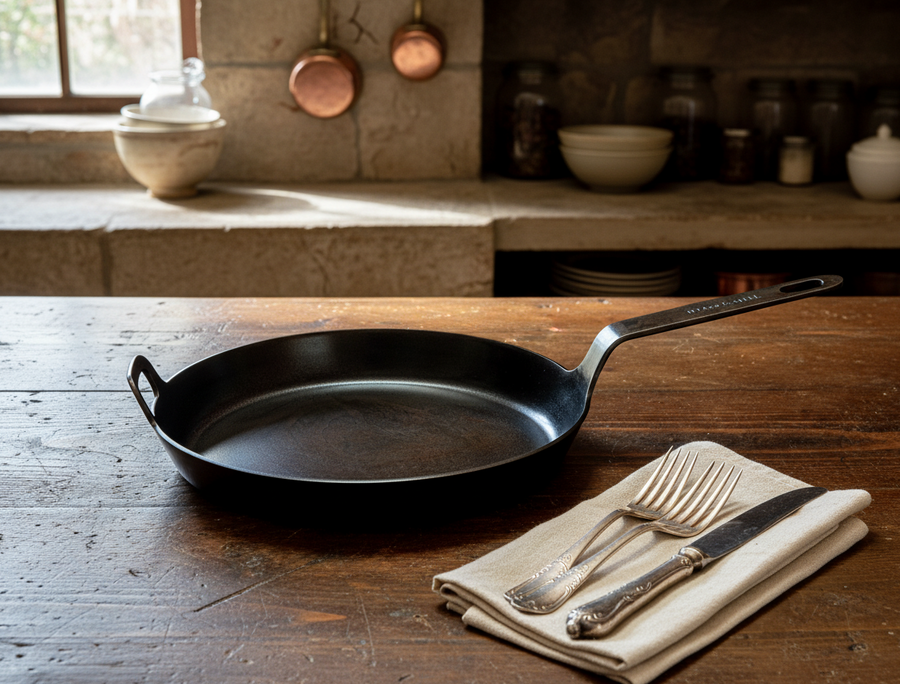
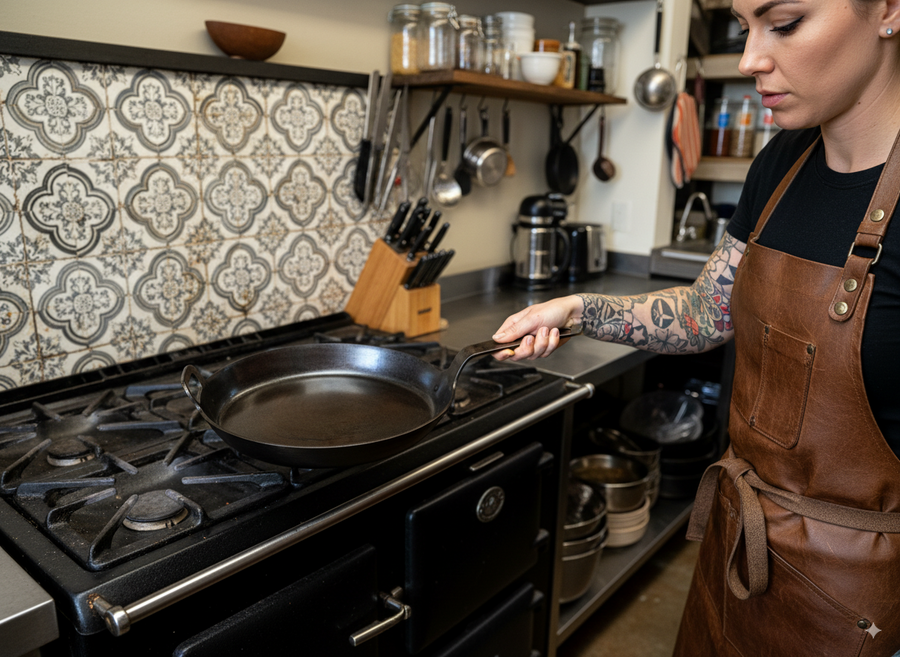
Carbon steel pans represent the pinnacle of professional cookware, offering serious cooks an unparalleled combination of performance and versatility. Exploring why professional chefs use carbon steel reveals their extraordinary culinary capabilities.
These remarkable pans excel in heat conductivity and responsiveness, allowing chefs to achieve precise temperature control across diverse cooking techniques. Unlike traditional nonstick surfaces, carbon steel develops a natural patina that enhances flavour and provides exceptional cooking performance.
Key Performance Advantages:
- Superior heat distribution
- Incredible durability
- Natural nonstick properties
- Versatile across stovetop and oven
Professional kitchens prize carbon steel pans for their ability to transition seamlessly between high heat searing, delicate sauce preparation, and oven finishing. The pan’s single piece construction eliminates weak points, creating an incredibly robust cooking tool that improves with regular use.
Seasoning Process: The unique characteristic of carbon steel is its improving performance over time. As you cook, a protective layer develops, creating a naturally nonstick surface that enhances flavour and prevents food from sticking. This seasoning process transforms the pan from a simple cooking implement into a personalised culinary instrument.
For chefs committed to exceptional cooking, a carbon steel pan is not just cookware. It is a lifetime companion in the kitchen, promising remarkable performance and developing character with every meal prepared.
2. Cast Iron Pan – Classic Durability and Superb Heat Retention
Cast iron pans represent an enduring legacy of culinary craftsmanship, offering unparalleled durability and extraordinary heat retention that has sustained generations of cooks. Comparing cast iron with other cookware options reveals why these pans remain a kitchen cornerstone.
Designed to withstand decades of intense cooking, cast iron pans transform from a simple kitchen tool into a cherished heirloom. Their exceptional ability to retain and distribute heat evenly makes them perfect for techniques ranging from searing steaks to baking cornbread.
Key Performance Features:
- Incredible heat retention
- Naturally nonstick when properly seasoned
- Virtually indestructible construction
- Versatile across stovetop and oven
The magic of cast iron lies in its remarkable thermal properties. These pans heat slowly but maintain temperature remarkably well, allowing for consistent cooking and exceptional caramelisation. Professional chefs prize cast iron for its ability to create perfect sear marks and develop deep, rich flavours.
Maintenance Insights: Seasoning a cast iron pan transforms its surface into a natural nonstick marvel. Regular cooking with oils gradually builds a protective patina that enhances both performance and flavour profile. With proper care, a cast iron pan can last generations.
For passionate home cooks and professional chefs alike, a cast iron pan is more than cookware. It is a testament to culinary tradition, promising extraordinary cooking performance and becoming more magnificent with each meal prepared.
3. Stainless Steel Pan – Ideal for Searing and Deglazing
Stainless steel pans represent the pinnacle of professional kitchen versatility, offering chefs an unparalleled cooking surface perfect for intricate culinary techniques. Comparing different pan materials reveals why stainless steel stands out as a kitchen essential.
Engineered with precision, these pans provide exceptional heat distribution and remarkable durability. Their unique construction allows for superior searing and precise deglazing techniques that professional chefs rely on for creating complex flavour profiles.
Key Performance Characteristics:
- Excellent heat conductivity
- Resistant to corrosion
- Non reactive cooking surface
- Ideal for high temperature cooking
The true magic of stainless steel pans lies in their ability to create beautiful fond caramelisation. When proteins or vegetables are seared, they develop a rich brown crust that becomes the foundation for extraordinary sauces and pan reductions. Professional kitchens prize these pans for their ability to capture and intensify culinary flavours.
Cooking Techniques: Unlike nonstick surfaces, stainless steel allows ingredients to develop deep browning and complex flavour layers. By understanding precise temperature control and using minimal oil, you can achieve restaurant quality results in your home kitchen.
For discerning cooks who demand performance and precision, a stainless steel pan is not just cookware. It is a sophisticated culinary instrument capable of transforming simple ingredients into extraordinary dishes.
4. Nonstick Pan – Easy Release for Delicate Foods
Nonstick pans represent a revolutionary cooking solution designed specifically for preparing delicate ingredients with minimal effort and maximum precision. Understanding what makes cookware nonstick reveals the sophisticated engineering behind these remarkable kitchen tools.
Engineered with advanced surface treatments, nonstick pans provide home cooks and professionals alike a remarkable cooking experience that eliminates the frustration of stuck ingredients. Their specialised coating ensures even the most fragile foods like omelettes, fish fillets, and delicate pancakes release effortlessly.
Key Performance Features:
- Minimal oil requirement
- Effortless food release
- Simple cleaning process
- Ideal for low fat cooking techniques
The true brilliance of nonstick pans lies in their ability to transform challenging cooking tasks into seamless culinary experiences. Delicate proteins and egg dishes that once required meticulous attention can now be prepared with confidence and precision.
Cooking Technique Insights: Proper temperature control is crucial when using nonstick cookware. Moderate heat prevents coating degradation while ensuring perfect cooking results. Utilising wooden or silicone utensils further protects the pan’s delicate surface.
For home cooks seeking convenience without compromising cooking quality, a nonstick pan provides an indispensable tool that simplifies meal preparation and makes gourmet techniques accessible to everyone.
5. Copper Pan – Fast Heating and Precise Temperature Control
Copper pans represent the pinnacle of culinary precision, offering professional chefs an unparalleled cooking surface with extraordinary thermal responsiveness. Understanding professional cookware types reveals why copper remains the gold standard for temperature control.
Engineered with remarkable thermal conductivity, copper pans heat incredibly quickly and distribute temperature uniformly across their surface. This unique characteristic allows chefs to make instantaneous adjustments during delicate cooking processes like preparing sauces, melting chocolate, or creating intricate reductions.
Key Performance Characteristics:
- Exceptional heat conductivity
- Rapid temperature adjustment
- Incredibly even heating
- Professional grade precision
The true genius of copper pans lies in their molecular structure. Unlike other materials, copper responds to heat changes within seconds, enabling chefs to execute techniques that require microsecond level temperature management. Simmering, reducing, and precise protein cooking become achievable with remarkable consistency.
Cooking Technique Insights: Professional chefs appreciate copper pans for their ability to prevent thermal hotspots. The material conducts heat five times faster than cast iron and ten times faster than stainless steel, transforming complex cooking techniques into predictable, controllable processes.
For culinary enthusiasts seeking restaurant quality results, a copper pan represents more than cookware. It is a precision instrument that transforms cooking from a basic task into an art form of temperature and technique.
6. Aluminium Pan – Lightweight and Quick-Heating Option
Aluminium pans represent a pragmatic solution for home cooks seeking efficient and affordable cookware with remarkable thermal properties. Understanding different cookware materials reveals why aluminium has become a kitchen staple.
Designed with exceptional heat conductivity, aluminium pans heat incredibly rapidly and distribute temperature uniformly across their surface. This unique characteristic allows cooks to prepare meals quickly while maintaining consistent cooking performance across various culinary techniques.
Key Performance Characteristics:
- Extremely lightweight design
- Rapid heat distribution
- Affordable cooking option
- Quick temperature response
The true brilliance of aluminium pans lies in their molecular structure. They conduct heat three times faster than stainless steel, enabling home cooks to sauté vegetables, sear proteins, and prepare delicate sauces with remarkable efficiency. Their lightweight nature also reduces cooking fatigue during extended meal preparation.
Cooking Technique Insights: Professional chefs often recommend aluminium for tasks requiring swift temperature changes. Whether you are preparing a quick stir fry or reducing a delicate sauce, these pans provide responsive and predictable cooking performance.
For budget conscious cooks seeking reliable kitchen equipment, an aluminium pan offers an intelligent balance between performance and value. It transforms everyday cooking into a more streamlined and enjoyable experience.
7. Ceramic Pan – A Healthier Choice with Natural Nonstick
Ceramic pans represent a modern culinary solution for health conscious home cooks seeking safe and efficient cookware. Exploring non toxic cookware choices reveals why ceramic has become a preferred option for mindful cooking enthusiasts.
Crafted with a natural ceramic coating, these pans provide exceptional nonstick performance without the potential health risks associated with traditional synthetic nonstick surfaces. The ceramic material offers a smooth cooking experience that prevents food from sticking while eliminating concerns about harmful chemical leaching.
Key Performance Advantages:
- Chemical free nonstick surface
- Excellent heat distribution
- Easy to clean
- Environmentally friendly option
The true innovation of ceramic pans lies in their advanced surface technology. Unlike traditional nonstick cookware that relies on synthetic coatings, ceramic pans use natural mineral based materials that create a smooth cooking surface. This approach ensures safe cooking at moderate temperatures without compromising culinary performance.
Cooking Technique Insights: Professional chefs appreciate ceramic pans for their versatility and gentle cooking properties. They work exceptionally well for preparing delicate dishes like omelettes, soft scrambled eggs, and sautéed vegetables that require precise temperature control.
For health conscious individuals who refuse to compromise between safety and cooking performance, a ceramic pan offers an intelligent solution. It transforms everyday cooking into a more mindful and enjoyable experience.
Below is a comprehensive table summarising the key features, benefits, and considerations of various types of cookware discussed in the article.
| Cookware Type | Key Features | Best Uses |
|---|---|---|
| Carbon Steel Pan | Superior heat distribution, Exceptional durability, Natural nonstick properties |
Searing, sauce preparation, Oven finishing |
| Cast Iron Pan | Incredible heat retention, Virtually indestructible, Naturally nonstick |
Searing, baking, High heat cooking |
| Stainless Steel Pan | Excellent heat conductivity, Non reactive surface, Ideal for high temperatures |
Searing, deglazing, Complex sauce creation |
| Nonstick Pan | Effortless food release, Minimal oil requirement, Simple cleaning |
Low fat cooking, Delicate foods |
| Copper Pan | Exceptional heat conductivity, Rapid temperature adjustment, Even heating |
Delicate cooking, Precision temperature control |
| Aluminium Pan | Lightweight design, Rapid heat distribution, Affordable |
Quick cooking, Consistent meal preparation |
| Ceramic Pan | Chemical-free nonstick surface, Easy to clean, Environmentally friendly |
Health-conscious cooking, Delicate dishes |
Elevate Your Kitchen with the Perfect Pan
Choosing the right frying pan often means balancing heat responsiveness, durability and cooking style. The article highlights essential pan types every chef should know, a journey through materials and designs. For those seeking a pan that grows stronger with use, offering natural nonstick performance and high heat precision, our Carbon Steel Collection | Brass&Steel is crafted to meet this challenge.
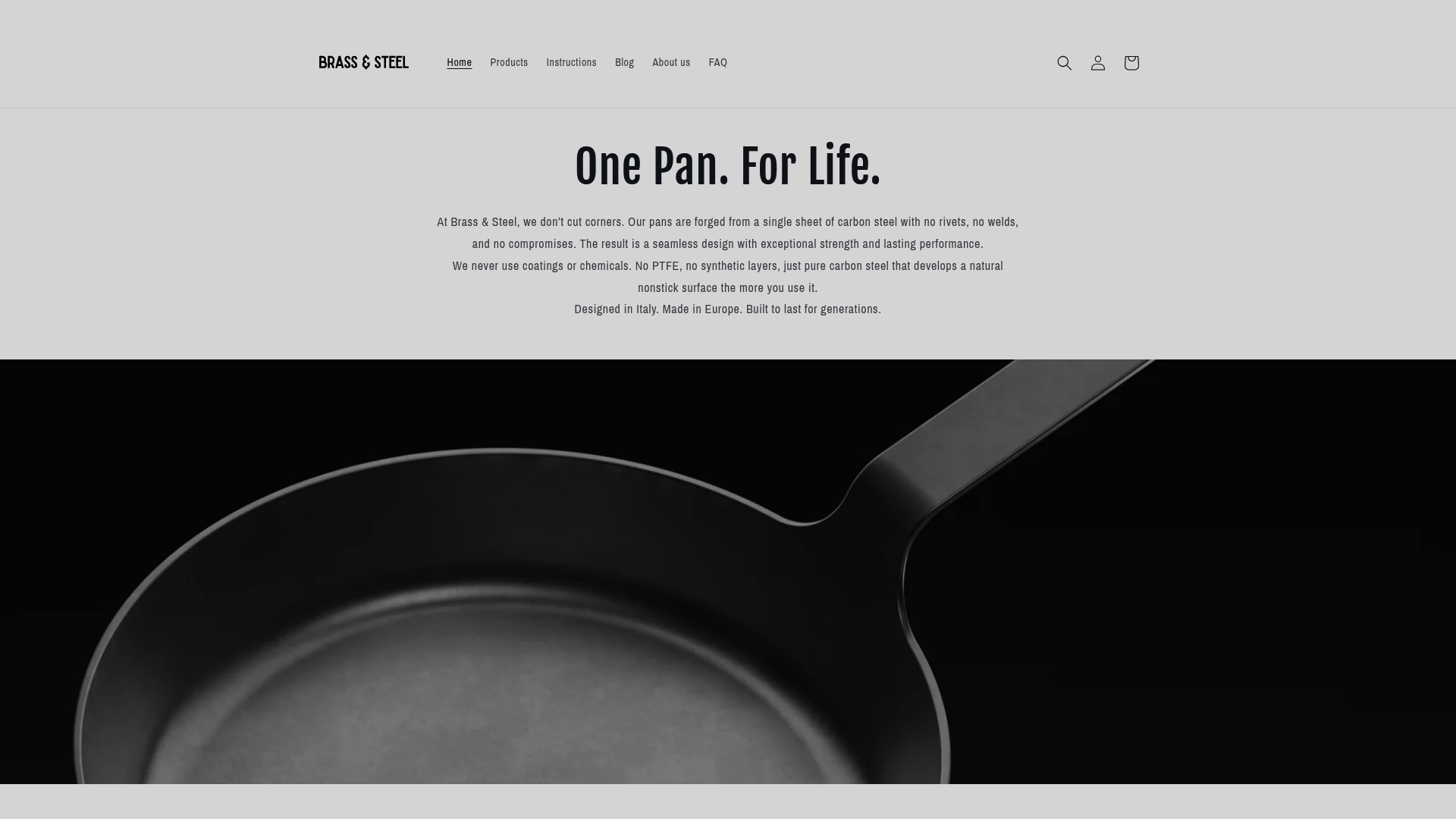
Discover why serious cooks trust our single-piece forged carbon steel pans. With a seamless construction free from rivets and toxic coatings, these pans promise heirloom quality and exceptional cooking control. Don’t settle for less when every meal deserves the best. Visit https://brass-steel.com to explore our range or check out the New arrivals – Brass & Steel for the latest innovations in professional cookware.
Frequently Asked Questions
What types of frying pans should every chef have in their kitchen?
Carbon steel, cast iron, stainless steel, nonstick, copper, aluminium, and ceramic pans are essential for every chef. Each type serves a specific purpose, so it’s beneficial to have a variety to cover different cooking techniques and requirements.
How do I properly season a cast iron pan for optimal performance?
To season a cast iron pan, clean it thoroughly and apply a thin layer of cooking oil. Bake it upside down in the oven at a high temperature (around 180°C) for an hour, then let it cool. This process creates a nonstick layer that improves with regular use.
What is the importance of seasoning a carbon steel pan?
Seasoning a carbon steel pan develops a natural nonstick surface and enhances flavour over time. Regularly cook with oil to build up the seasoning, ensuring optimal performance with minimal food sticking.
How should I clean and maintain a nonstick frying pan?
To clean a nonstick frying pan, use a soft sponge and warm soapy water. Avoid abrasive cleaners and metal utensils to protect the coating. By following these steps, you can extend the lifespan of your nonstick pan significantly.
What cooking techniques are best suited for stainless steel pans?
Stainless steel pans are ideal for high-temperature cooking and techniques like searing and deglazing. To achieve restaurant-quality results, control the heat and use minimal oil, allowing the fond to develop for rich flavour.
When is it best to use a copper frying pan?
Copper frying pans are best used for tasks requiring precise temperature control, such as making sauces or delicate reductions. Their rapid heat response allows chefs to adjust cooking temperatures instantly, achieving consistent results.